
For me, it’s hard to push past the research phase of starting a book. Why? Because it’s so much fun to inhabit the setting of your story by finding details to make it come alive.
The new project I’m starting–working title: Runaway Home–is an Edwardian period piece. When I was ready to begin a new story, I intentionally decided on a historical setting before I even had an idea for the plot or characters. I am excited to step out of the present and explore a “new” world. Edwardian America (1901-1914) means the beginning of the industrial age, still lots of farmers but people migrating to cities by the millions, both from inside the country and out. From the very beginning I have the option of urban or rural–both thriving, pulsing and alive.
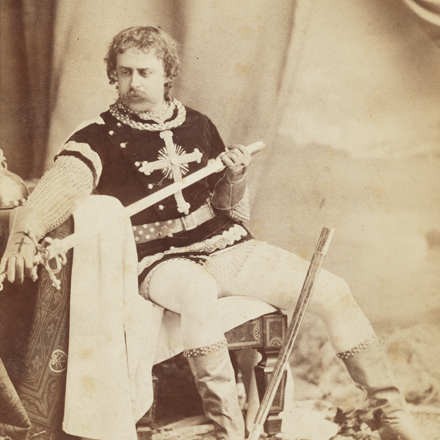
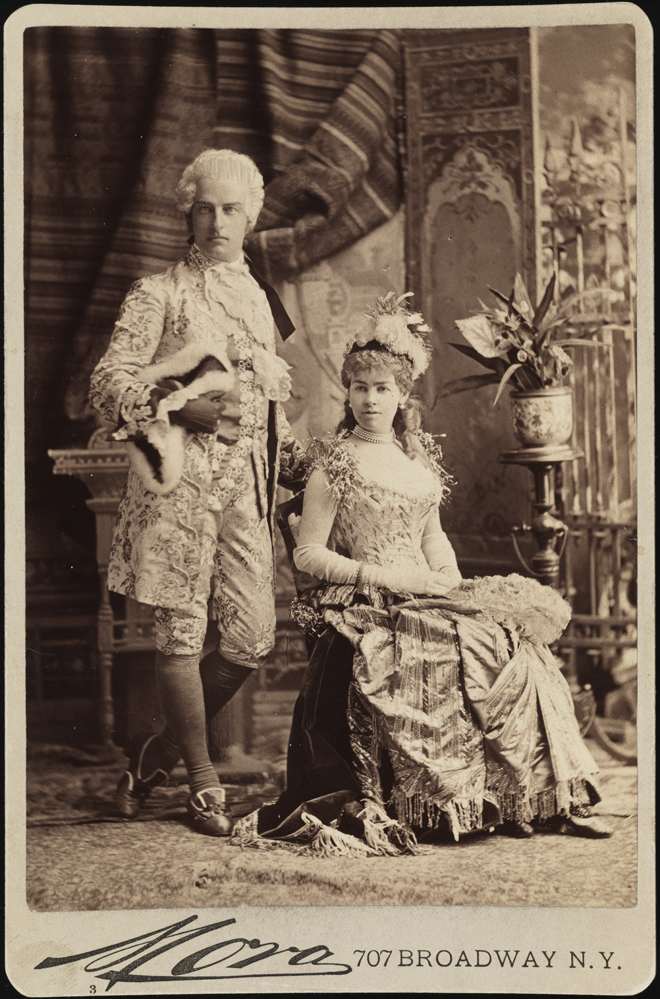
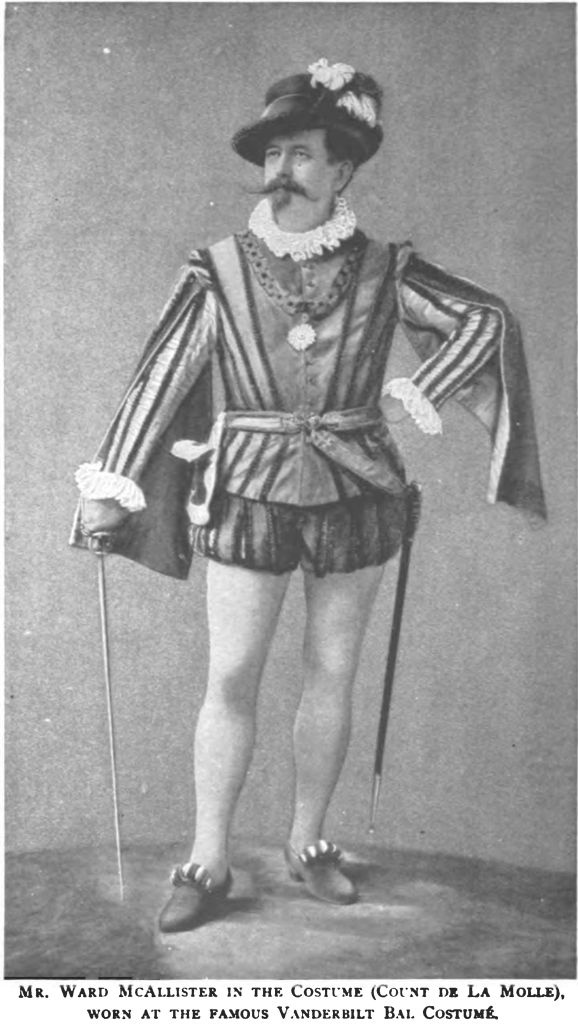
Industrialization created a whole class of the newly rich to the great irritation of “old money.” Their lifestyles in the cities were often gaudy and opulent, and in terms of settings in New York City, there is really nothing too over-the-top. For example, Alva Vanderbilt’s masquerade on March 26, 1883 in New York City, was unlike anything anyone had ever seen before with an estimated cost of $250,000, in today’s dollars $6 million. As a writer, nothing I can come up with can be any crazier than that.
Get a load of some of these costumes (the last one was actually electrified):
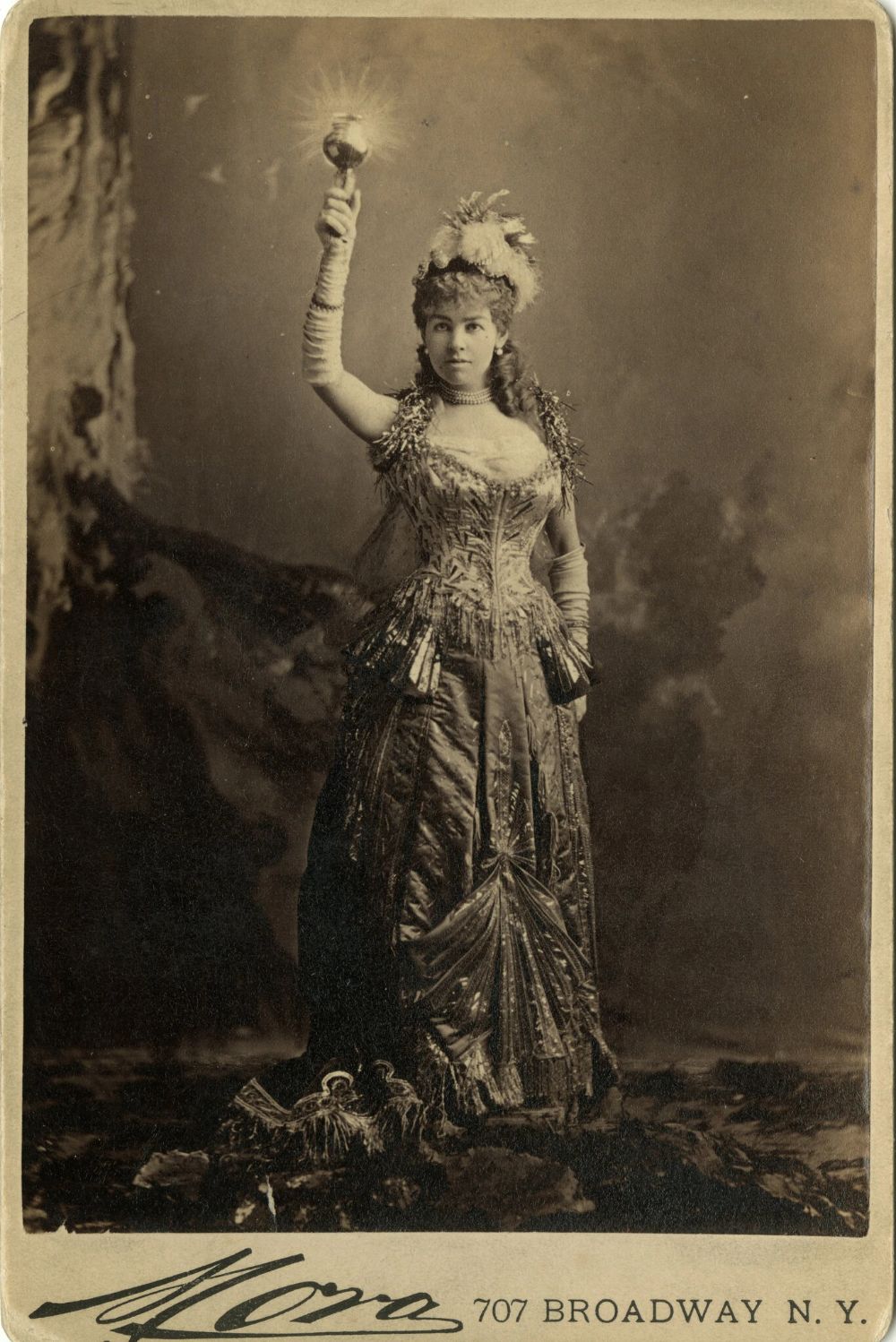
What a wonderful rich tapestry for the start of love story adventure!
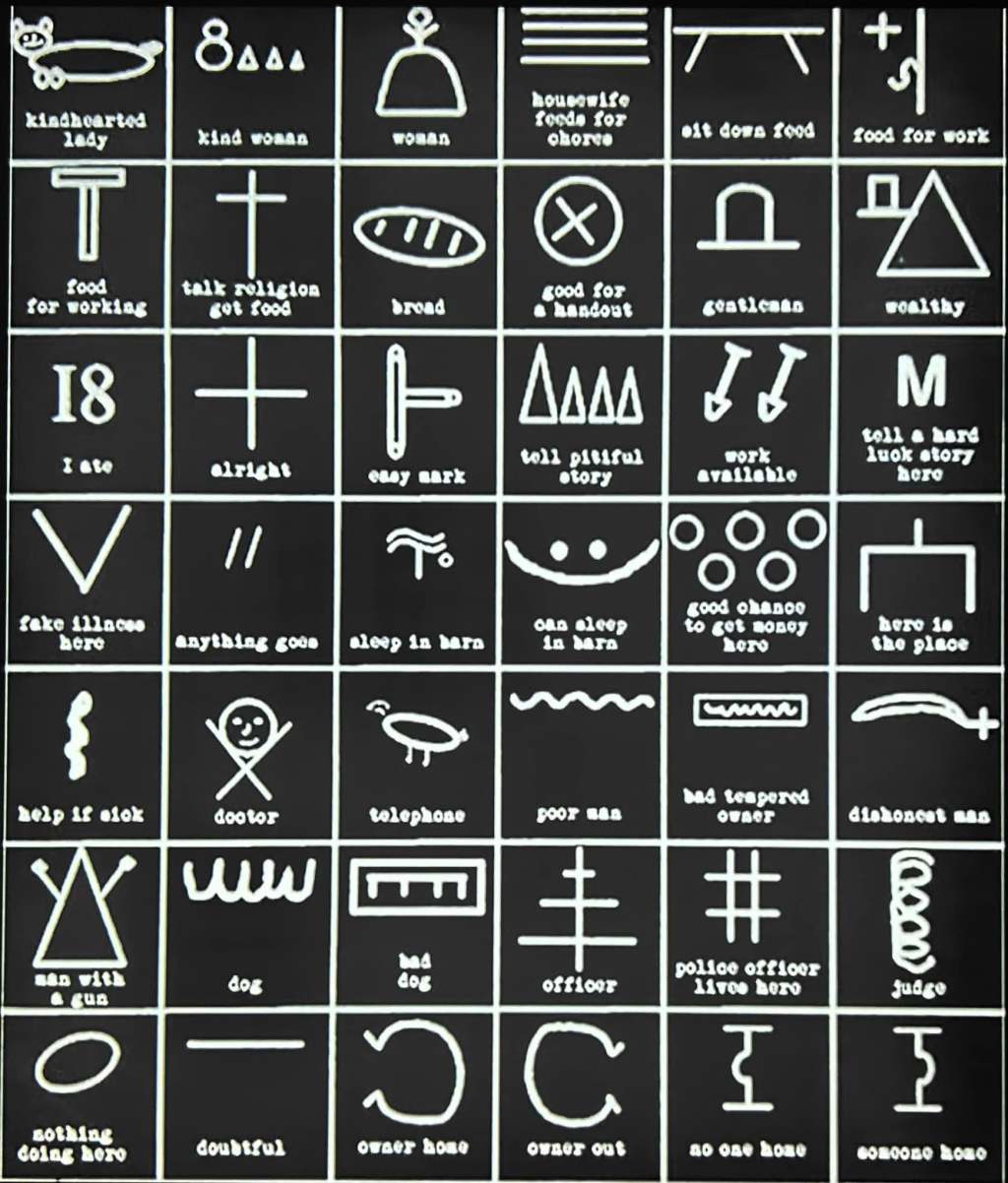
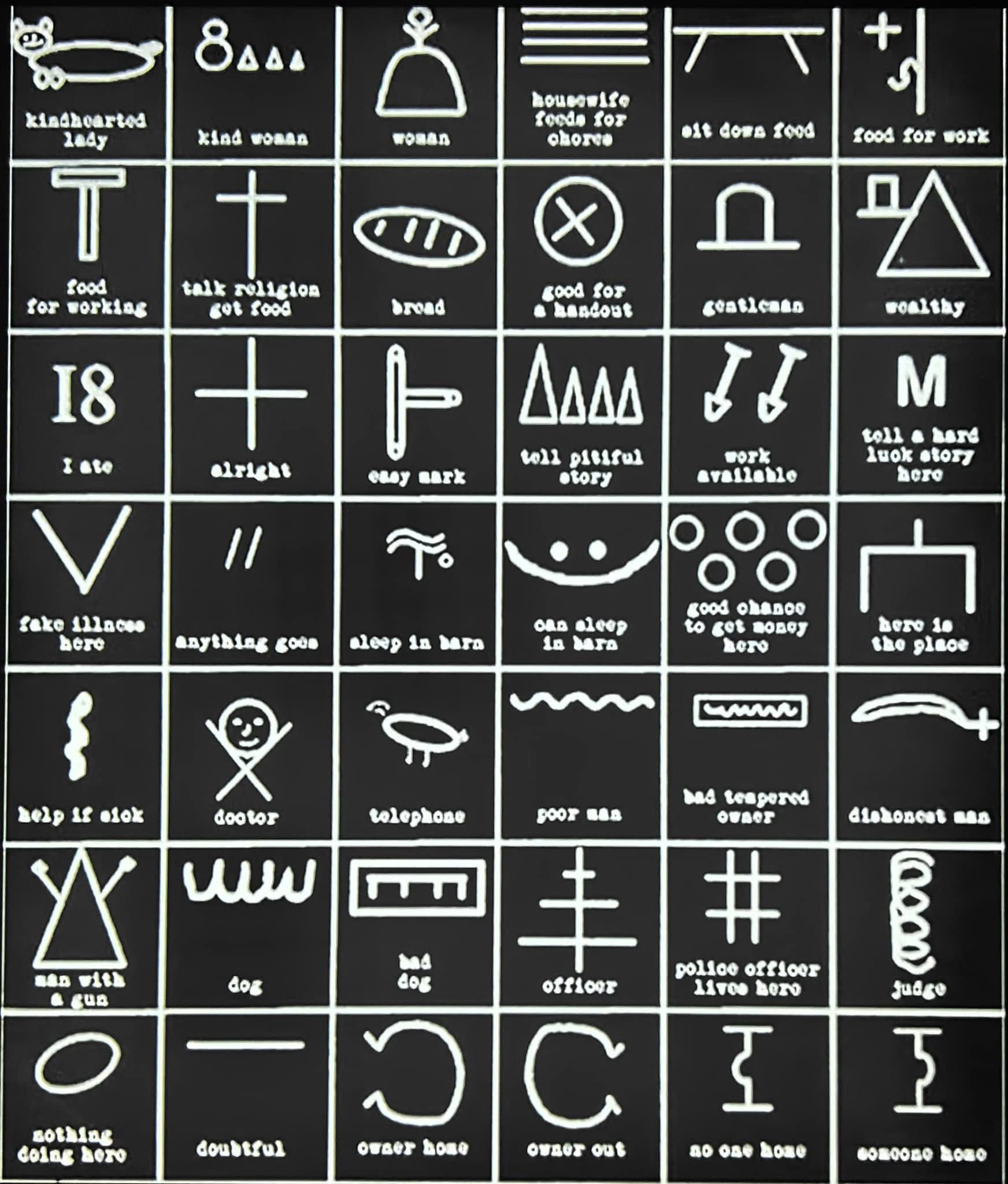
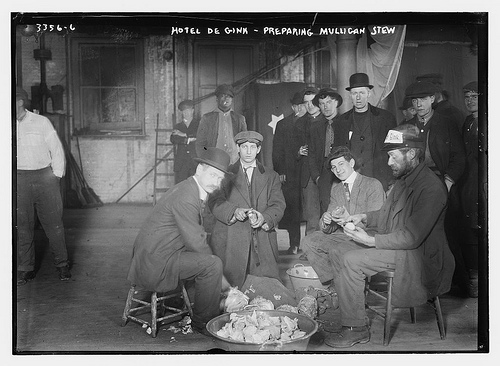
My main characters have to escape from the above mentioned social scene on the railroad. Wow! Trains had opened up travel throughout the country while leaving the roads clear of as-yet-non-existent automobile traffic. Evie and Philip will share some of their journey with hobos on the trains. The hobo culture thrived, and it was nothing like what you think it was. These men were not vagrants or bums, but took pride in being migrant workers. They were well-organized, having established stops where they could eat, bathe, write letters home, etc. They also had a code to help travelers know where they could find help along the way.
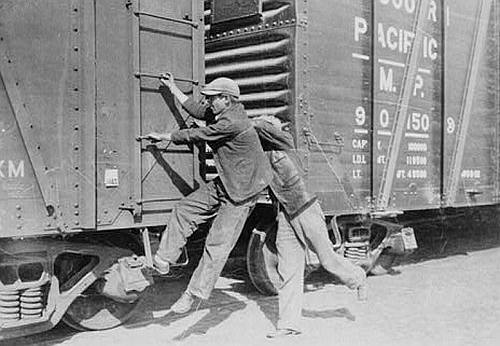
Once the characters–Evie and Philip–get off the trains, their adventures move to small towns and rural areas. Along the rail lines many of the villages grew into cities of size; for example, a sleepy southern town named Terminus–the end of the line–became Atlanta.
Oh my gosh, I could go on and on. Don’t even get me started on the history of insane asylums, which will play a big part in the book.
As you can tell, I am running on an adrenaline high from all the wonderful stuff I am learning.
But…I have to stop. I have to take what I know and start writing. My goal is a wonderful, exciting, emotionally engaging story of a woman’s search for the truth about her past, and the relationship that develops with a man committed to helping her achieve her quest.
(But wait! I don’t have enough research! Were there artists’ colonies in 1900? What proof did you need to commit a person to an insane asylum? What fabrics did they use? What style of clothes would they wear at the opening ball? What colors? What would they wear on the train? What in the small town? What foods were available to them as they traveled? Etc, etc, etc…)
Oh dear…I’ll never get this book written. Maybe I can do a non-fiction on Edwardian American insane asylums.


 Welcome to My World!